
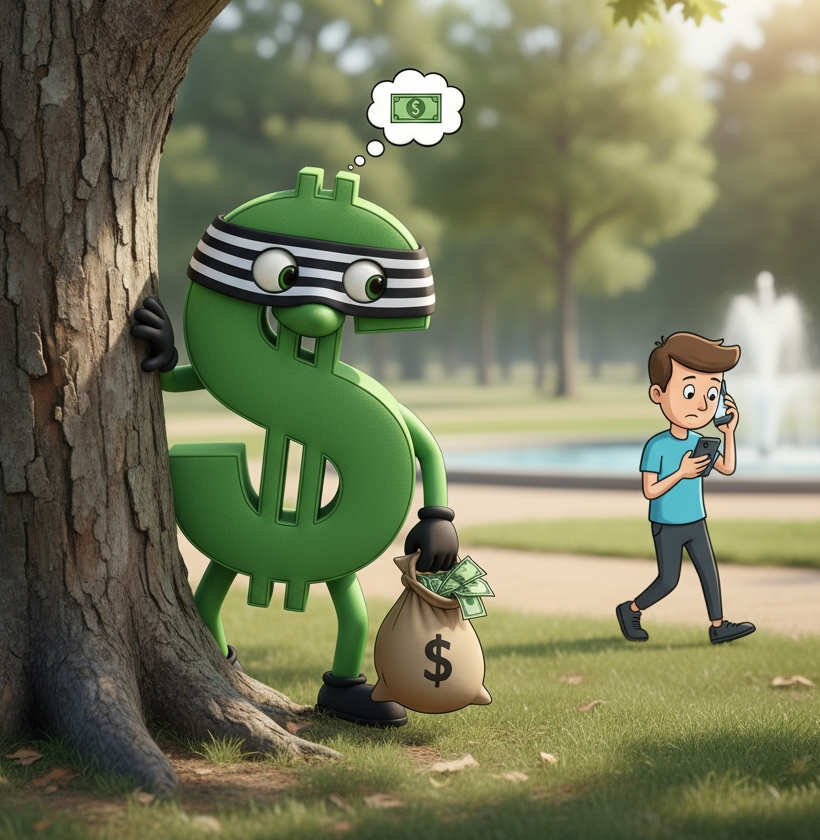
In 2025, the digital landscape is more competitive than ever. Consumers expect instant access to information, products, and services online. Businesses that fail to meet this expectation don’t just miss out on opportunities — they actively lose customers to competitors who are more digitally visible.
Yet, many small and medium-sized businesses still operate without a website, relying solely on word of mouth, social media pages, or traditional advertising. While this might seem like a way to save money, the reality is that not having a website comes with its own set of hidden costs.
In this article, we’ll explore why a professional website is no longer optional and how failing to have one could be costing your business far more than you realize.
1. Missed Opportunities for New Customers
Today’s consumers are digital-first. Before visiting a store, booking a service, or making a purchase, they almost always research online. Studies show that:
- 81% of shoppers conduct online research before buying.
- 76% of consumers look at a company’s online presence before physically visiting.
- For local businesses, “near me” searches have increased more than 200% over the past few years.
If you don’t have a website, you’re invisible during this research phase. Potential customers looking for your product or service may never even know you exist — instead, they’ll choose a competitor whose website provides the information they need.
2. Dependence on Social Media Alone
Some businesses argue that they don’t need a website because they already have a Facebook or Instagram page. While social media is a valuable marketing tool, it’s not a replacement for a website.
Here’s why:
- Limited control: Social platforms change algorithms, features, and rules constantly. One update could slash your visibility overnight.
- Professionalism: Customers expect established businesses to have a website. A Facebook-only presence can look amateurish.
- Searchability: Social media pages don’t rank in Google the same way websites do. Without a site, you miss out on organic search traffic.
Relying solely on social media is like renting space — you never truly own it, and the landlord can change the rules at any time. A website, on the other hand, is your digital real estate.
3. Loss of Credibility and Trust
A professional website builds credibility. Without one, potential customers may question whether your business is legitimate, especially if competitors in your industry all have websites.
Consider these statistics:
- 75% of people judge a company’s credibility based on its website design.
- 56% of people won’t trust a business without a website.
In industries where trust is crucial — healthcare, legal, financial services, and even local trades — not having a website can be the difference between gaining or losing a customer.
4. Limited Visibility in Search Engines
When people need something, they Google it. Search engines are the primary way customers discover new businesses. Without a website, your business has no chance of appearing in these searches.
Even if you have social media pages, they won’t show up prominently in search results the way a properly optimized website can. That means your competitors are showing up in Google searches — and you’re not.
5. Missed Sales and Conversions
A website isn’t just about being found; it’s also about converting visitors into paying customers. Features like:
- Online booking systems
- E-commerce shops
- Click-to-call buttons
- Contact forms
…make it easier for customers to take action. Without a website, these conversions can’t happen. Every missed booking or abandoned inquiry represents lost revenue.
6. Higher Long-Term Marketing Costs
At first glance, skipping a website might look like a cost-saving measure. But in reality, it often costs more in the long run. Here’s why:
- Advertising inefficiency: Running paid ads without a website means directing traffic to social media pages — where you have less control and lower conversion rates.
- Repetition of outreach: Without a website that provides information 24/7, you or your staff spend more time answering questions that could easily be addressed online.
- Lost organic reach: Without SEO (search engine optimization), you’re constantly paying for visibility instead of gaining free, ongoing traffic from search results.
A website reduces reliance on paid advertising by working for you around the clock, bringing in customers at a much lower long-term cost.
7. Missed Opportunities for Local Businesses
For brick-and-mortar stores, restaurants, and service providers, the lack of a website is particularly damaging. Google searches for “near me” businesses are skyrocketing, and most of those searches happen on mobile devices.
Without a website, your business won’t appear in:
- Google Maps results.
- Local search results.
- “Near me” mobile searches.
Even if customers are standing near your shop, they may never know you’re there if you don’t have a digital footprint.
8. Falling Behind Competitors
In 2025, having a website is the norm, not the exception. Competitors who invest in a professional online presence enjoy:
- Better visibility.
- Higher credibility.
- More customers.
If you don’t have a website, you’re handing over potential business to competitors on a silver platter. The longer you delay, the harder it becomes to catch up.
9. Lack of Analytics and Customer Insights
A website doesn’t just attract customers — it also provides valuable data about them. Tools like Google Analytics let you see:
- How people find your business.
- Which products or services interest them most.
- Where they drop off before completing a purchase.
Without a website, you lose access to these insights, making it harder to refine your marketing strategy or understand your customers’ needs.
10. Missed Opportunity to Build Your Brand
A website isn’t just about information — it’s about telling your story and shaping how people perceive your brand. Social media limits how you present yourself, but a website gives you full creative control.
With a website, you can:
- Showcase your portfolio.
- Share testimonials and case studies.
- Write blogs that establish you as an expert.
- Build an email list for future marketing.
Without one, your brand risks being reduced to a generic presence in a crowded digital space.
The Real Cost of Not Having a Website
Let’s break it down simply:
- Lost customers = lost revenue.
- Lower credibility = fewer conversions.
- Lack of visibility = missed opportunities.
- No analytics = uninformed business decisions.
- Dependence on social media = vulnerability to platform changes.
While building a website requires an upfront investment, the cost of not having one grows every day you remain offline.
Final Thoughts
In 2025, the hidden costs of not having a website are too great to ignore. Customers expect every business — large or small — to have a professional online presence. Without one, you’re invisible to potential customers, less credible than competitors, and missing opportunities to grow.
A website isn’t an expense — it’s an investment in visibility, credibility, and long-term success.
At Digital Designs by Kevin Meiring, we specialize in creating professional, affordable websites that help businesses stand out, build trust, and grow in today’s digital-first world. Whether you’re a local shop, a service provider, or an online brand, we’ll help you create a digital presence that works for you 24/7.
Because in the modern marketplace, the most expensive website is the one you don’t have.